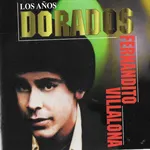
La tuerca
1981 · Album · 9 tracks
Ramón Fernando Villalona Évora, known as Fernando Villalona or El Mayimbe, was born on 7 May 1955 in Monte Cristi and grew up in Loma de Cabrera, Dajabón province. A ballad and bolero singer before becoming one of the defining voices of Dominican merengue, he has recorded and performed since the early 1970s.
From Loma de Cabrera to the voice festival
The eldest of eleven children of Ángel Ramón Villalona and Arcadia Évora, he began singing in public as a child in Loma de Cabrera. Viterbo de las Rosas, then the town's mayor, selected him to represent the municipality at the Festival de la Voz without holding the local audition envisaged by its organisers.
On 26 July 1971, aged sixteen, he sang «Lágrimas para un recuerdo» at the final organised by Rafael Solano at the Palacio de Bellas Artes. He finished fifth, prompting protests from part of the audience. The appearance launched a career that began in ballad singing before his move into merengue.
Soon afterwards he recorded «Lágrimas para un recuerdo» and «Para olvidarme de ti» with Solano and Mundito Espinal. The Dominican National Archives holds «Fernandito Villalona sus éxitos», a ten-track album dated 1973 that includes «Mayra», «Ahora soy libre» and «Ámame» from this early period.
Los Hijos del Rey
After spending some time back in Loma de Cabrera, he met producer Cholo Brenes in Santo Domingo. Brenes told him of an orchestra in need of a singer and introduced him to Wilfrido Vargas, who tested his vocal range. Villalona joined Los Hijos del Rey despite having been known chiefly as a ballad singer.
He recalls wanting to bring ballad phrasing into merengue. His first recording in the genre with the group was «Homenaje a Tatico Henríquez», circulated after the accordionist's death. His colleagues in the orchestra included Bonny Cepeda and Raulín Rosendo. Los Hijos del Rey made their debut on a bill shared with «Fania All Stars».
His own orchestra and repertoire
He formed his own orchestra at the beginning of the 1980s. «Tabaco y ron», «Celos», «Te amo demasiado», «La hamaquita», «Dominicano soy», «Sonámbulo» and «Carnaval» are among the performances that established his popularity. He continued to record ballads and boleros alongside merengue throughout his career.
He also recorded «Compañera» and «Paloma», songs by Yaqui Núñez del Risco. In a 2024 interview, he explained that «Paloma» was dedicated to his daughter and that Jorge Taveras arranged the recording.
In the 1990s he continued to release songs including «Quisqueya», «No podrás», «Música latina», «Retorno» and «Me he enamorado». He has spoken publicly about beginning his recovery from drug addiction in 1995, an experience he later incorporated into his personal and religious testimony.
Recognition and later work
«Mal acostumbrado» earned a Latin Grammy nomination in 2002 and a Grammy nomination in 2003; he received the Dominican Gran Soberano in the latter year.
In 2010 he joined the collective recording of «Somos el mundo» in aid of Haiti.
In 2011 he released «Mi luz», an album of Christian music. In 2012 he recorded the merengue duet «El color de tu mirada» with his niece Victoria Daly; Gilberto de Ose wrote the song for them.
The Latin Recording Academy nominated him again in 2021 for «Insensatez». In May 2022 the Senate of the Dominican Republic recognised his fifty years in music.
Legacy
Villalona's move from ballad singing to merengue, first with Los Hijos del Rey and then at the head of his own orchestra, connects two decisive periods of Dominican popular music. His voice and songs such as «Dominicano soy» and «Compañera» remain part of the repertoire that carried merengue across the country and abroad.
1981 · Album · 9 tracks
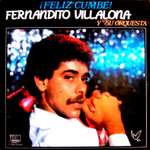
1982 · Album · 9 tracks
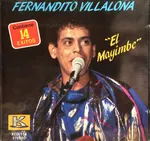
1982 · Album · 10 tracks
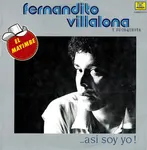
1983 · Album · 9 tracks

1983 · Album · 8 tracks
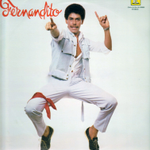
1984 · Album · 8 tracks
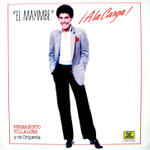
1985 · Album · 8 tracks
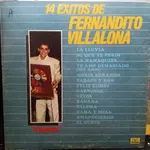
1986 · Album · 14 tracks
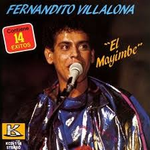
1986 · Album · 14 tracks
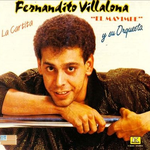
1987 · Album · 10 tracks
1987 · Album · 14 tracks
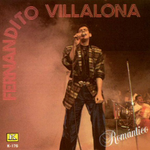
1988 · Album · 10 tracks
1989 · Album · 11 tracks
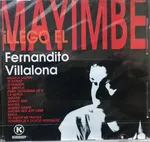
1990 · Album · 14 tracks
1992 · Album · 10 tracks
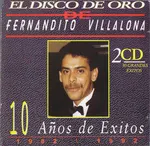
1993 · Album · 30 tracks
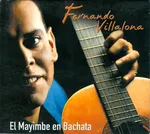
1993 · Album · 12 tracks
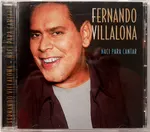
1994 · Album · 10 tracks
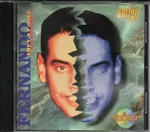
1995 · Album · 8 tracks
1995 · Album · 14 tracks
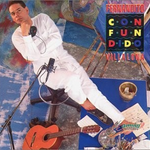
1995 · Album · 10 tracks
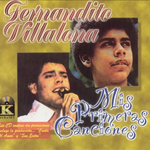
1995 · Album · 18 tracks
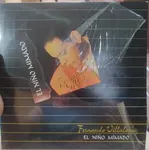
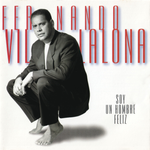
1996 · Album · 11 tracks
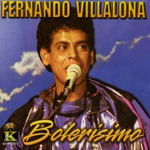
1997 · Album · 12 tracks
2000 · Album · 14 tracks
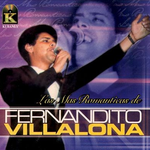
2000 · Album · 14 tracks
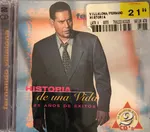
2002 · Album · 18 tracks
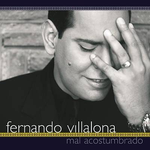
2002 · Album · 12 tracks
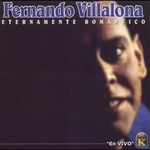
2003 · Album · 12 tracks

2008 · Album · 10 tracks
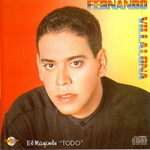
2008 · Album · 9 tracks

2018 · Single · 1 track

2021 · Single · 1 track