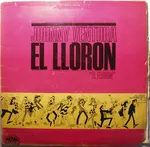
El llorón
1964 · Album · 10 tracks
Juan de Dios Ventura Soriano, known as Johnny Ventura and called El Caballo Mayor, was a Dominican singer, bandleader and composer, and the central figure in the modernisation of merengue. He recorded more than a hundred productions, more than any other Dominican artist, and after four decades on stage he served eight years as a deputy and four as mayor of Santo Domingo.
The name
He was born in Santo Domingo in 1940 and wanted to be an architect, but there was no money for university. He enrolled instead in a commercial secretarial course, and it was there, pushed by two classmates who took him to an amateur radio programme under false pretences, that he sang in public for the first time and won. That was in June 1956. He went on to study singing and broadcasting at the school run by La Voz Dominicana, graduating as a professional announcer.
The stage name was a practical decision. His given name was identical to that of Juan de Dios Ventura Simó, the pilot who took part in the anti-Trujillo landing of June 1959, and he adopted Johnny Ventura to keep the two apart.
The orchestras
He passed through several bands before leading one. He sang with the group of the percussionist Donald Wild and with the orchestra Su Majestad, and in 1962 joined the Combo Caribe of Luis Pérez, with which he made his first recordings: La Agarradera, by Pérez, and Cuidado con el Cuabero, which he wrote himself. His first twelve-song album came out the same year.
In 1963 the bandleader Papa Molina brought him into the Super Orquesta San José, where he worked as singer and güira player alongside Vinicio Franco and other figures of the period.
El Combo Show
In 1964, urged on by the Cuban impresario Ángel Guinea, he formed the band that changed the genre. Merengue at the time belonged to large orchestras; he replaced them with a smaller group that could move faster, rehearse choreography and treat the concert as a spectacle, which is what the name says: a combo, and a show.
The sound changed with the format. He brought saxophones, trumpets, piano, drums, timbales and electronic effects into merengue, and took elements from other rhythms without losing the shape of the thing. The band was also a school: Luisito Martí, Fausto Rey and Anthony Ríos all passed through it. An American trade magazine named it combo of the year on nine occasions.
The records
The first albums under his own name appeared in 1965: La Coquetona, La Resbalosa and El Turún Tun Tun. Two years later La Muerte de Martín and Ah No, Yo No Sé No brought the Combo Show its first gold record.
What followed is the largest catalogue any Dominican artist has built: more than a hundred productions, twenty-eight of them certified gold and two platinum. He wrote most of what he sang and arranged most of what he recorded, which is unusual for a performer of that reach.
Abroad
He was crowned king of Miami’s Calle Ocho festival in 1987, won four Congos de Oro at the Barranquilla carnival, and was the first Dominican to take the Antorcha de Plata at Viña del Mar, an award decided by the audience. In 1977 he became the first Dominican artist invited to the inauguration of a president of the United States.
Public office
He qualified as a lawyer, graduating summa cum laude, and spent more than four decades in political life. He sat in the chamber of deputies for Santo Domingo from 1990 to 1998 and served as mayor of the city from 1998 to 2002. He stood for mayor again in 2020 and came third.
The names he was given
The country gave him more titles than any other performer: father of modern merengue, the merengue man of the century, the joy of the nation, and above all El Caballo Mayor. He died in Santiago de los Caballeros in July 2021, at eighty-one.
1964 · Album · 10 tracks
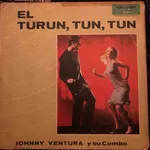
1965 · Album · 11 tracks
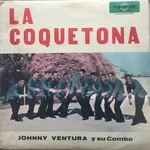
1965 · Album · 11 tracks
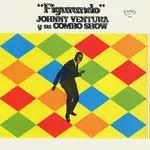
1966 · Album · 11 tracks
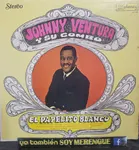
1967 · Album · 12 tracks
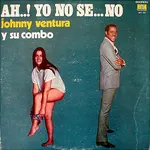
1971 · Album · 10 tracks
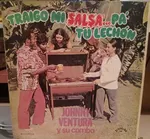
1972 · Album · 10 tracks
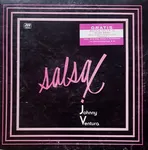
1973 · Album · 8 tracks
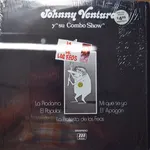
1974 · Album · 10 tracks
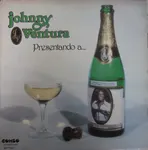
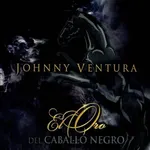
1979 · Album · 14 tracks
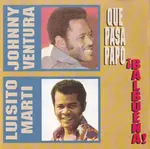
1979 · Album · 12 tracks
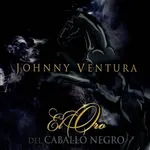
1980 · Album · 14 tracks
1980 · Album · 8 tracks
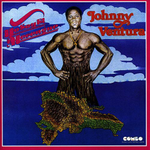
1980 · Album · 9 tracks
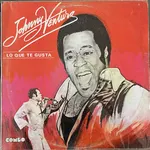
1981 · Album · 8 tracks
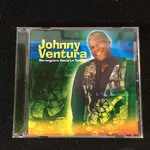
1984 · Album · 10 tracks
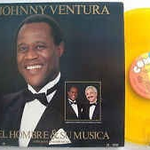
1985 · Album · 6 tracks
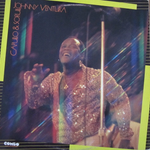
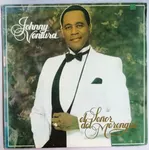
1986 · Album · 8 tracks
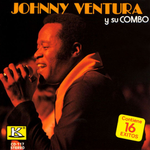
1987 · Album · 16 tracks
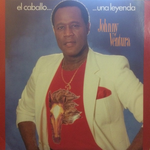
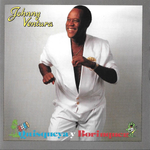
1990 · Album · 8 tracks
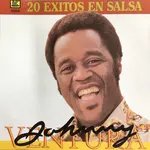
1991 · Album · 20 tracks
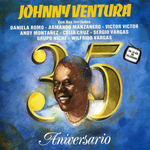
1992 · Album · 8 tracks
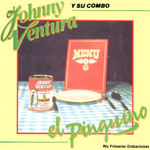
1995 · Album · 10 tracks
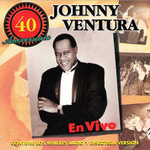
1998 · Album · 11 tracks
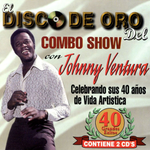
2000 · Album · 40 tracks
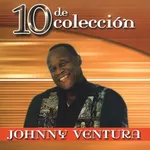
2008 · Album · 10 tracks
2008 · Album · 9 tracks

2009 · Album · 12 tracks
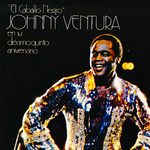
2010 · Album · 10 tracks
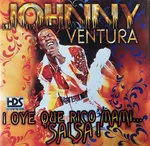
2010 · Album · 12 tracks
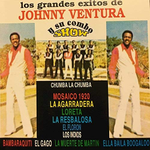
2016 · Album · 11 tracks
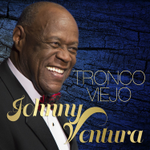
2016 · Album · 10 tracks
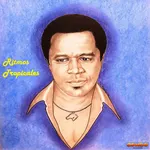
2018 · Album · 22 tracks
2015 · Single · 1 track
2018 · Single · 1 track

2018 · Single · 1 track
1984 · compilation · 1 track