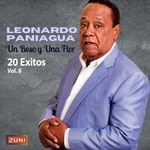
Un Beso Y Una Flor 20 Exitos Vol. II
1979 · album · 20 tracks
Leonardo Paniagua Acevedo, known as El Chiquitito, is a Dominican bachata singer. He built a long career on romantic reinterpretation rather than original composition, and his bachata version of ABBA’s «Chiquitita» is generally credited with carrying the genre onto Dominican FM radio at a time when stations avoided it.
From Las Yayas to the capital
He was born in Las Yayas, a rural community in the province of La Vega, in 1945. He moved to Santo Domingo at fifteen and worked outside music for years: first as a gardener, then as a messenger for a pharmacy, and later in the same trade for the national water institute.
The audition at Guarachita
He came to recording by accident. Waiting his turn at the barbershop of his friend Danilo Rodríguez in Los Mina, he was asked to stay for a rehearsal, and Rodríguez took him the following day to Radhamés Aracena, who ran Radio Guarachita and its label. Paniagua sang «Amada Amante», the Roberto Carlos song, and was asked for a second: he recorded «Insaciable», by the Puerto Rican Felipe Rodríguez.
The method was set from that first session. Where most bachata of the seventies drew on barrio life and was dismissed as coarse, Paniagua sang boleros and ballads from the wider Latin repertoire over bachata guitar, in a soft register that reached listeners the genre had not reached before.
Chiquitita and the FM barrier
His version of «Chiquitita» appeared at the end of the seventies and became the record his career is measured by. It earned him a gold record, presented in Miami for international sales, and it is cited as the point at which Dominican FM stations began programming bachata, having previously treated the genre as unbroadcastable.
He has been direct about what held the music back. In the Dominican press he argued that bachata was stalled by hypocrisy: audiences listened to it privately and denied it in public, and the radio followed the denial rather than the listening.
The catalogue
His recorded output is unusually large. From the early seventies to the early nineties he released a long run of numbered volumes, many of them backed by the conjunto of Edilio Paredes. Among the titles that stayed in circulation are «Mi Secreto», «Ella Se Llamaba Marta», «Un Beso y Una Flor», «Amada Amante» and «Brunilda». The partnership lasted: an album of remade material with the same guitarist appeared decades later.
Recognition
The Asociación de Cronistas de Arte gave him the Soberano al Mérito for his career in bachata. He continues to record and to perform, with recent studio material issued through his own channel and appearances at town festivals and abroad.
1979 · album · 20 tracks
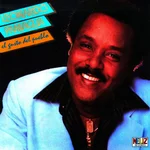
1984 · album · 10 tracks
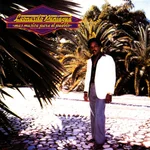
1985 · album · 10 tracks
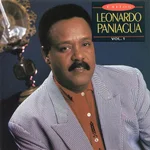
1999 · album · 15 tracks
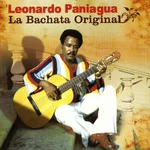
2010 · album · 14 tracks
2011 · album · 14 tracks
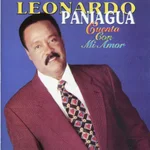
2011 · album · 10 tracks
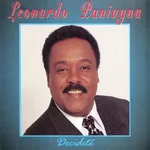
2011 · album · 12 tracks
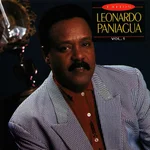
2011 · album · 14 tracks
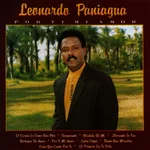
2011 · album · 10 tracks
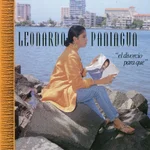
2012 · album · 10 tracks
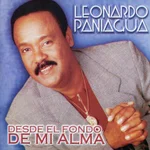
2012 · album · 11 tracks
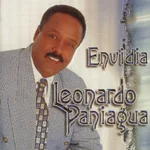
2012 · album · 12 tracks
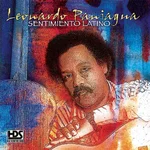
2019 · album · 12 tracks
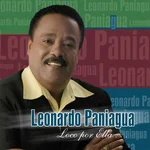
2020 · album · 10 tracks
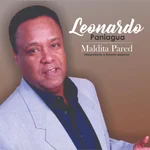
2021 · album · 12 tracks
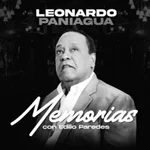
2021 · album · 10 tracks
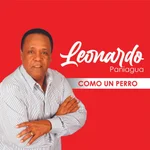
2022 · album · 10 tracks
2022 · album · 10 tracks
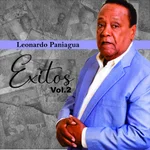
2022 · album · 14 tracks
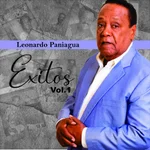
2022 · album · 14 tracks
2023 · album · 9 tracks
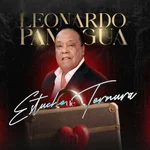
2024 · album · 9 tracks

2018 · single · 1 track
2019 · single · 1 track

2019 · single · 1 track
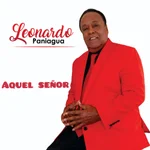
2020 · single · 1 track

2020 · single · 1 track
2020 · single · 1 track
2020 · single · 1 track

2020 · single · 1 track
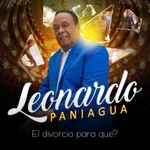
2021 · single · 1 track
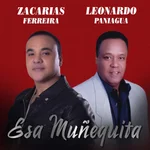
2021 · single · 1 track
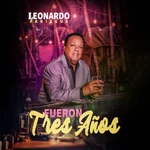
2022 · single · 1 track

2023 · single · 1 track
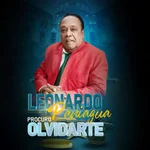
2023 · single · 1 track
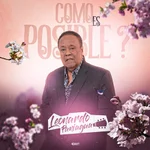
2025 · single · 1 track
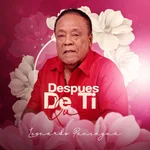
2025 · single · 1 track
2023 · ep · 1 track