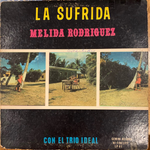
La Sufrida
1969 · Album · 12 tracks
Mélida Rodríguez was a Dominican bachata singer and songwriter, born in Hato Mayor in 1943, and the first woman to record the genre, following the guitar-bolero style of the Puerto Rican singer Blanca Iris Villafañe.
«Yo soy mala, y seguiré siendo mala»
She began recording in the early years of Dominican bachata, alongside its first male pioneers, backed by the same musicians who played on records by José Manuel Calderón and Fabio Sanabia. She wrote most of her own material, and her signature song, «La Sufrida», is considered the best-known early bachata sung entirely from a woman’s point of view: its chorus, an unrepentant declaration of independence, was a striking statement of feminine freedom for its time.
Twenty or thirty songs
Her active recording career was brief, producing an estimated twenty to thirty songs, virtually all boleros. About two-thirds were her own compositions, and while some followed the classic bachata format of two guitars, maracas, bass and bongo, others were arranged with saxophone, trumpet or timbales.
An early disappearance
She kept performing occasionally after her recording years ended around 1966 or 1967, but her move from Santo Domingo to San Pedro de Macorís removed her from the public eye. She died of a heart attack in 1975, the same year that Aridia Ventura — who would become her clear successor as bachata’s leading female voice — began recording.
Legacy
Mélida Rodríguez is remembered as the woman who opened the door bachata’s early female singers walked through, and «La Sufrida» remains a reference point for the genre’s first generation of songs written from a woman’s perspective.
1969 · Album · 12 tracks
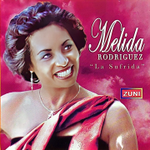
1975 · Album · 14 tracks