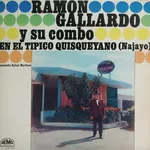
En el Típico Quisqueyano
1966 · Album · 6 tracks
Ramón Gallardo was a Dominican pianist and bandleader from Puerto Plata. His six-piece group, Ramón Gallardo y su Combo, held the stand at the Típico Quisqueyano, the big dance hall of the Feria de la Paz, and made the merengue records that a generation of Santo Domingo dancers grew up on.
The hall and its name
The ballroom opened in 1957 as the Típico Najayo. After Trujillo was killed the name had to go — it pointed at ground the dictator owned — and it reopened as the Típico Quisqueyano. Gallardo’s combo ruled it. The historian José del Castillo Pichardo, remembering the room, describes the pianist from Puerto Plata as a heavyset, big-headed man with tired eyes and a seductive moustache, and it is his combo he names first.
Six musicians is a small band for a hall that size. What it means is that everybody is audible and nobody can coast, and it is why those recordings sound spare next to the big orchestras of the same years.
Gallardo and Rafelito
The voice was Rafelito Martínez, born in Los Pepines, Santiago, in 1925, who stayed sixteen years. His son calls the pair one of the best two-man teams merengue produced, and the recordings bear it out: La Miseria, Chanflín, Muchachos, Canto de Hacha, Catarey, Amores Escondidos. Every one of those labels says Ramón Gallardo y su Combo, canta Rafelito Martínez.
La Miseria is the one that survived hardest. It is a merengue about being broke, sung without self-pity and at speed, and it still turns up on Dominican playlists sixty years later.
The records
Merengueando came first, then En El Típico Quisqueyano Najayo, which carries the hall’s two names on the same sleeve, and Taxi Driver with it. Ahora Sí! Gallardo followed, then Gallardo en Navidad, and a twenty-five track retrospective after that. La Mulatona was big enough to be recycled into mosaicos twice over.
The combo also cut El Pájaro Chogüí, the Paraguayan song that Wilfrido Vargas would later turn into a merengue standard with Sandy Reyes singing it. Gallardo got there first, which is a thing his listeners still point out.
He wrote as well as played. Medio Millón was popularised by his group, and Dominican singers of the period took songs of his into their own repertoires.
1966 · Album · 6 tracks
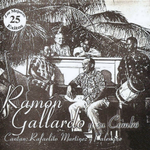
1975 · Album · 25 tracks