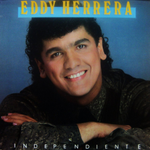
Independiente
1990 · Album · 8 tracks
Eduardo José Herrera de los Ríos, known as Eddy Herrera and billed as El Galán del Merengue, is a Dominican merengue singer and bandleader. He came up as a vocalist in one of the genre’s biggest orchestras, went solo at the start of the nineties, and has won four Latin Grammy awards for best merengue or bachata album.
Santiago
He was born in Santiago de los Caballeros in 1964. His father gave him a guitar for his ninth birthday and hired a teacher, but he dropped the lessons after a few months, once he could accompany himself well enough to sing the ballads and boleros he liked. The singers he grew up copying were Nino Bravo, José José, José Luis Rodríguez and Javier Solís, which is where the romantic register of his merengue comes from.
He entered the Santiago voice festival at fifteen and came second; at seventeen he entered again and won. In parallel he played baseball seriously enough to reach amateur level and to be considered a prospect for the minor leagues in the United States, and he enrolled in architecture at the Pontificia Universidad Católica Madre y Maestra.
The orchestra
Two and a half years into the degree he met Wilfrido Vargas, who asked him to join his orchestra as a singer. He had never sung merengue. He left the architecture course and the baseball behind and took the job, and three months later recorded El Jardinero, which became a hit well beyond the country. La Medicina, El Loco y La Luna and Mujer Tirana followed. He stayed with the band from 1984 to 1990, touring Central and South America, Europe, the Caribbean and the United States.
Independiente
He recorded his first solo album while serving out his last months with the orchestra, and released it under the title Independiente. No Puedo Más and La Vieron were the first singles. He made his official debut as a bandleader in July 1990, at a club in his home city, and the record took him to the Casandra awards, where his orchestra was named revelation of the year.
More than a hundred and fifty dances followed in that first year. Mi More came next, and then Ámame, which carried Carolina — the song that moved him out of the domestic market and into Venezuela, Panama, Central America, the Dutch Caribbean and the United States. He signed an exclusive five-year contract with a new label just before its release.
Nuestro Amor
Lluvia de Amor and Los Hombres Calientes came next. The second of those carried Nuestro Amor, written by Martín de León, which became the biggest record of his career in Colombia and has stayed in circulation there since the middle of the nineties. The same writer gave him Como Llora Mi Alma.
The merengues of the year
Alma Gemela and Me Enamoré followed, and with the second came Demasiado Niña, which took the Casandra award for merengue of the year and brought him his first Latin Grammy nomination. Pégame Tu Vicio, released months later, won the same award the following year and is one of the records his name is most attached to.
Two years of work produced Atrevido, which carried Tú Eres Ajena — by his own account the biggest of all of them — along with Demasiado Romántica and Como Llora Mi Alma.
The Latin Grammys
The awards came in a long series rather than a burst. He won the Latin Grammy for best merengue or bachata album four times, for Amor de Locos, Ahora, Agradecido Live! and Novato Apostador, and took four Congos de Oro at the Barranquilla carnival across two decades.
The collaborations
He has kept recording with younger artists rather than only revisiting his catalogue. Tu Boquita, made with Mozart La Para, earned a nomination for merengue video of the year, and the album A Otro Nivel brought in Vakeró among other guests.
1990 · Album · 8 tracks
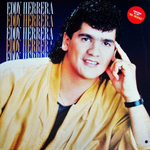
1991 · Album · 9 tracks
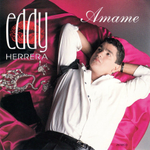
1993 · Album · 10 tracks
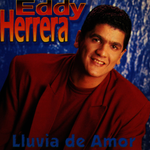
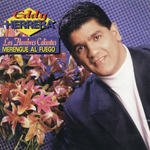
1996 · Album · 10 tracks

1998 · Album · 10 tracks
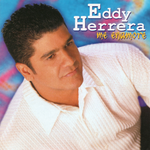
1999 · Album · 13 tracks

2001 · Album · 10 tracks
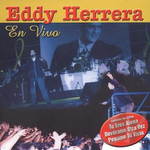
2001 · Album · 13 tracks
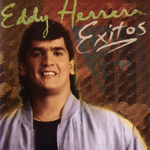
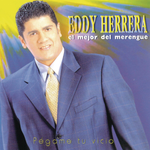
2001 · Album · 10 tracks
2003 · Album · 17 tracks

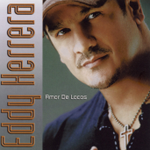
2005 · Album · 12 tracks
2006 · Album · 9 tracks
2007 · Album · 20 tracks
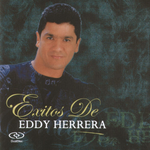
2007 · Album · 14 tracks
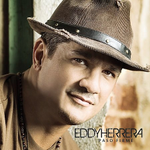
2009 · Album · 14 tracks

2009 · Album · 20 tracks

2011 · Album · 14 tracks

2011 · Album · 22 tracks


2014 · Album · 10 tracks
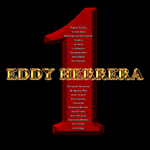


2019 · Album · 20 tracks


2020 · Album · 12 tracks

2021 · Album · 11 tracks

2022 · Album · 9 tracks

2023 · Album · 9 tracks

2024 · Album · 20 tracks

2024 · Album · 12 tracks

2025 · Album · 13 tracks
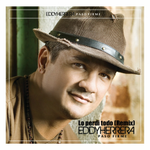
2010 · Single · 1 track

2011 · Single · 1 track

2016 · Single · 1 track

2016 · Single · 1 track


2017 · Single · 1 track


2018 · Single · 1 track

2018 · Single · 1 track

2019 · Single · 1 track

2019 · Single · 1 track

2019 · Single · 1 track

2020 · Single · 1 track

2020 · Single · 1 track

2020 · Single · 1 track

2020 · Single · 1 track

2020 · Single · 1 track

2020 · Single · 1 track

2020 · Single · 1 track

2021 · Single · 1 track

2021 · Single · 1 track

2021 · Single · 1 track

2021 · Single · 1 track

2021 · Single · 1 track

2022 · Single · 1 track

2022 · Single · 1 track

2022 · Single · 1 track

2023 · Single · 1 track

2023 · Single · 1 track

2023 · Single · 1 track

2023 · Single · 1 track

2024 · Single · 1 track