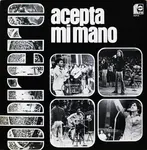
Obrero acepta mi mano
1974 · Album · 10 tracks
Expresión Joven was a Dominican nueva canción group, formed in Santo Domingo in 1972 under the sponsorship of the sociologist Cholo Brenes and gone by 1975, its short life spent almost entirely inside the political repression it sang against.
A singer, a poet, and a sponsor
Its founders included Ramón Leonardo, already an established popular singer, along with the singers Manuel de Jesús and Puro Eduardo López and the poet Chico González, whose lyrics Ramón Leonardo set to music. Rafael Castro later replaced Leonardo in the lineup. Cholo Brenes, a sociologist rather than a musician, backed and organized the project from outside the group as it took shape.
A year and a half on the road
Once formed, the group spent about eighteen months touring the country under the sponsorship of neighborhood and student club associations, working through the harsh political climate of Joaquín Balaguer’s so-called doce años. It also played outside the Dominican Republic, in Canada and Puerto Rico and especially New York, where it found a ready audience in the Dominican diaspora.
«Abre las rejas, señor gobierno»
By mid-1973 Expresión Joven had taken up the cause of the country’s political prisoners, recording «Abre las rejas, señor gobierno» in solidarity. Its members were arrested more than once by Balaguer-era police over the following two years.
«Siete Días con el Pueblo»
In 1974 Cholo Brenes and Expresión Joven took over the artistic direction of «Siete Días con el Pueblo», a festival held from 25 November to 1 December that drew major figures of the Ibero-American protest song movement. The group’s performance there of Luis "Terror" Días’s «Obrero, acepta mi mano» — already the festival’s official theme — turned it into the anthem of an event that ended in a mass public repudiation of the government of the day.
Legacy
Expresión Joven left two records behind: «Dominican Republic: La Hora Está Llegando! (The Time Is Coming)», released in the United States on Paredon Records, the label built around protest song from Latin America and beyond, and «Obrero, acepta mi mano» on Karen Records, both from 1974. The group broke up the following year, after barely three years together, but it gave Dominican nueva canción its first organized, internationally distributed voice, and set Ramón Leonardo on the path that would later earn him the title of father of protest song in the Dominican Republic.
1974 · Album · 10 tracks