La tuerca
1981 · Album · 9 tracks
Ramón Fernando Villalona Évora, known as Fernando Villalona and called El Mayimbe, is a Dominican singer. He is a lyric tenor who made his name in ballad and bolero before becoming one of the defining voices of merengue, and he has recorded more than twenty albums across five decades.
Loma de Cabrera
He grew up in Loma de Cabrera, in the north-western province of Dajabón, near the Haitian border, alongside nine siblings. He did his early schooling there and began performing under a local teacher, appearing at school and children’s events from a young age.
The voice festival
At fifteen he represented his town at the first Festival de la Voz, organised by Rafael Solano and broadcast on the state channel in June 1971. He sang Lágrimas para un Recuerdo and finished fifth. Not winning it turned out to matter more than winning: the final round provoked the largest public protest ever seen at a Dominican talent contest, and the country learned his name.
Solano discovered him in that same period and recorded a first production with him, but Villalona returned to Loma de Cabrera for a time before the career resumed.
Los Hijos del Rey
The orchestra Los Hijos del Rey, created in the middle of the seventies by Wilfrido Vargas, is where he came back to music and made his professional debut, on a bill with the Fania All Stars. The band was a school for a generation: Bonny Cepeda and Raulín Rosendo were in it alongside him.
He popularised a long list of songs there — among them A Tatico Henríquez, written for Tatico Henríquez, along with Barahona, Santo Domingo, Así es la Vida, La Ambulancia, Jardinera and Compadre Pedro Juan. His own following outgrew the group, and he left at the end of the decade.
El Niño Mimado
He began as a soloist in 1981 and the eighties belonged to him. Tabaco y Ron, Celos, Te Amo Demasiado, La Hamaquita, Dominicano Soy, Sonámbulo and Carnaval come from those years, and the affection of the audience gave him the second nickname he still carries, the spoiled child. The first one, El Mayimbe, means the boss in Dominican speech, and it stuck from the seventies onward.
Out of sight, still recording
Quisqueya, No Podrás, Música Latina, Retorno and Me He Enamorado kept him at the front of merengue through the following decade. He also withdrew from public life for a stretch of those years, and the notable thing is that he never stopped recording: some of his best-regarded songs date from exactly that period, and his records stayed at number one in the country while he was out of sight.
Mal Acostumbrado
The album Mal Acostumbrado brought him the Latin Grammy for best merengue or bachata album, and a nomination at the Grammy ceremony held at Madison Square Garden the following year. In that same period he took El Soberano, the highest award of the Dominican critics’ association. He also sang on the Spanish-language version of We Are the World recorded for Haiti.
Mi Luz
He marked forty years in music in 2011 with Mi Luz, a Christian album on which he sang about his own past and what had changed in it. The following year he recorded El Color de tu Mirada as a duet, and its video was nominated for music video of the year.
Insensatez
The album Insensatez won him a second Latin Grammy in 2021, four decades after he began as a soloist. The Dominican Senate formally recognised fifty years of his career in May 2022.
1981 · Album · 9 tracks
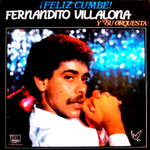
1982 · Album · 9 tracks
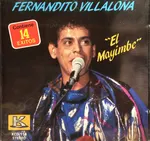
1982 · Album · 10 tracks
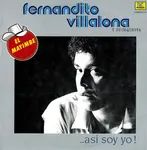
1983 · Album · 9 tracks
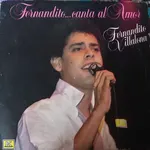
1983 · Album · 8 tracks
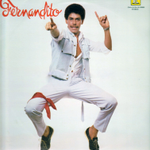
1984 · Album · 8 tracks
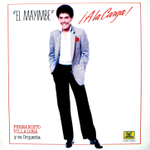
1985 · Album · 8 tracks
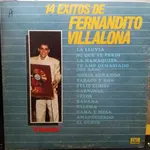
1986 · Album · 14 tracks
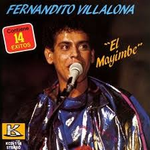
1986 · Album · 14 tracks
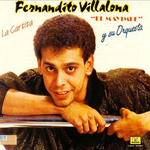
1987 · Album · 10 tracks
1987 · Album · 14 tracks
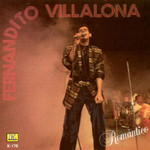
1988 · Album · 10 tracks
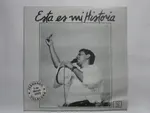
1989 · Album · 11 tracks
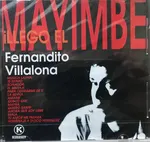
1990 · Album · 14 tracks
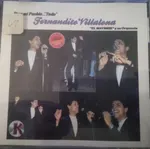
1992 · Album · 10 tracks
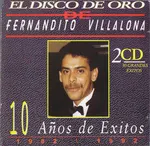
1993 · Album · 30 tracks
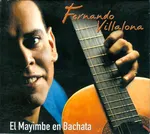
1993 · Album · 12 tracks
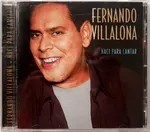
1994 · Album · 10 tracks
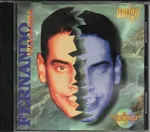
1995 · Album · 8 tracks
1995 · Album · 14 tracks
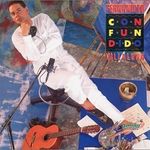
1995 · Album · 10 tracks
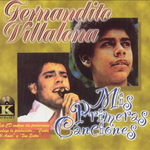
1995 · Album · 18 tracks
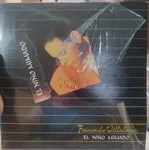
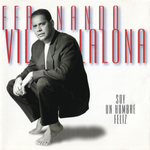
1996 · Album · 11 tracks
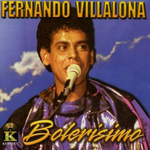
1997 · Album · 12 tracks
2000 · Album · 14 tracks
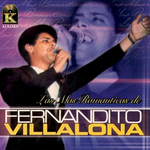
2000 · Album · 14 tracks

2002 · Album · 18 tracks

2002 · Album · 12 tracks
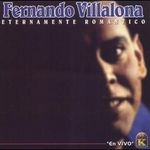
2003 · Album · 12 tracks

2008 · Album · 10 tracks
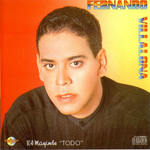
2008 · Album · 9 tracks

2018 · Single · 1 track

2021 · Single · 1 track