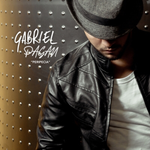
Biography
Gabriel Pagán is a Dominican singer, songwriter and record producer. He was born in Saint Louis, Missouri, to Dominican parents and grew up in Santo Domingo, he trained at Berklee, and he has spent his career trying to work out what merengue can be made to do next.
Billed under one name
For years he was simply Gabriel. The Soberano winners’ lists print it that way, with no surname, and the aliases follow him around the credits of that period.
The debut, Peripecia, was begun in 2012 and released the year after. Then in 2015 came Como Te Sueño Yo with Ilegales — a record that put a Berklee-trained arranger next to one of the loudest merengue-house groups the country has, which is the collision his whole catalogue is built out of.
Contra la Corriente
The second album is the one that changed his standing. It took the Soberano for album of the year, and the Latin Grammy nominated it for best tropical fusion album — a category that exists precisely for records that will not sit still inside a genre.
Solo Te Veo came off it, and the remix with Lápiz Conciente is a merengue with a rapper on it that a national newspaper covered on its own terms. He has done the same trick repeatedly: La Nota with Omega, Another Night with Proyecto Uno, Un Hombre Busca Una Mujer with Jossie Esteban y La Patrulla 15 — three generations of Dominican dance music, one at a time.
Quiéreme exists in three recorded versions — the original, a bachata, and a típico with an accordion player. That is not a promotional gimmick so much as a thesis: the song is separable from the rhythm, and a Dominican song can be carried by any of them.
Morisoñando
Morisoñando is a drink — orange juice and evaporated milk, sold on every Dominican corner — and he made it a live show and then a series of albums. The show won the Soberano for production of the year.
Naming a merengue project after a street drink is the same move as Made In RD and ¿Conoces República Dominicana?, two more of his titles. He has been building an argument about national identity out of ordinary domestic things rather than out of flags.
Afromerengue
The recent work goes by a name he uses himself: afromerengue, which points at the African rhythmic material underneath a genre usually sold as festive and light. Ella is filed under it outright.
No Era El Plan, his most recent album, is described as contemporary merengue, and the title is characteristic — a producer who trained abroad, came home, and keeps ending up back inside the country’s oldest popular form.
His own summary of what he does is three words: artist, producer, cultural creator. The third one is unusual for a merenguero to claim and he has earned it: the records, the show and the titles are all one argument about who the music belongs to.
Discography

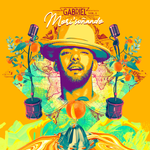
Mori'soñando, vol. 1
2019 · Album · 14 tracks
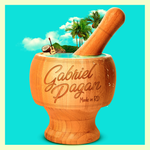
Made in RD
2020 · Album · 7 tracks
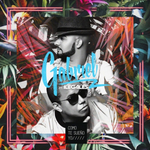
Como te sueño yo
2015 · Single · 1 track
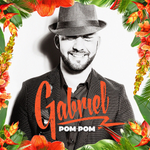
Pom pom
2015 · Single · 1 track

A tan sólo una hora
2016 · Single · 1 track

Playa y arena
2016 · Single · 1 track
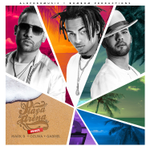
Playa y arena (remix)
2016 · Single · 1 track

Tú & yo
2016 · Single · 1 track
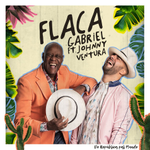
Flaca
2017 · Single · 1 track
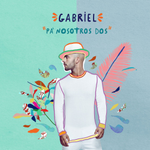
Pa' nosotros dos
2017 · Single · 1 track
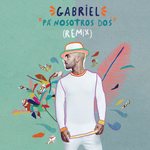
Pa' nosotros dos (remix)
2017 · Single · 1 track

A tan solo una hora (remix)
2018 · Single · 1 track

Colegiala
2018 · Single · 1 track

Solo te veo (remix)
2018 · Single · 1 track

Cómo no amarte
2019 · Single · 1 track
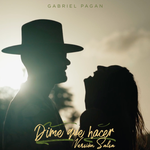
Dime qué hacer
2020 · Single · 1 track
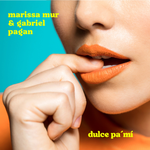
Dulce pa’ mí
2021 · Single · 1 track
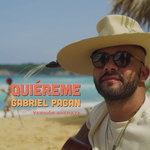
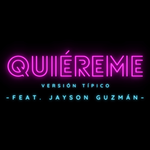
Quiéreme
2021 · Single · 1 track
Rio
2021 · Single · 1 track
Prometo
2022 · Single · 1 track
No pasa de moda
2023 · Single · 1 track
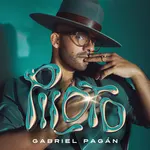
Piloto
2023 · Single · 1 track