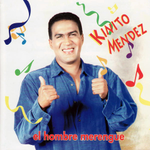
El hombre merengue
1995 · Album · 12 tracks
Kinito Méndez — José del Carmen Ramírez Méndez, born in Padre Las Casas, Azua, on 18 November 1963 — is a Dominican composer and merengue singer. He puts his own output at around four hundred songs, and he wrote most of them for other people’s orchestras: he sold his first two to Richie Ricardo, wrote a good part of what made Pochy y su Cocoband famous, founded Rokabanda and built Rikarena for singers other than himself. He did not front a band under his own name until 1995.
«Catalina» and «Casimiro»
His entry into the business was as a supplier. He sold his first two compositions, «Catalina» and «Casimiro», to Richie Ricardo’s orchestra, which in those years served as a way in for a number of musicians and arrangers who later mattered — Pochy Familia and Bobby Rafael among them. By his own count he had been working professionally for thirty-four years by 2021, which places the start around 1987.
The refranero popular
Pochy Familia put the Cocoband together in 1988 and Méndez was there from the first lineup, singing and writing. What he says they brought to merengue was the refranero popular: the sayings people already had in their mouths, set to a dance rhythm. It worked at a scale the genre still quotes — around seventy consecutive hits between 1988 and 1995, with every track on the first seven albums landing. «El cacu», «El coronel», «El boche» and «La manito» are his from those years; the last of them turned up in «Kindergarten Cop», the 1990 film with Arnold Schwarzenegger. His catchphrases went the same way as his songs: «y eh, eh, loca que está» is ordinary Dominican speech now.
Two orchestras that were not his
In 1992 he and Bobby Rafael left the Cocoband to start «Rokabanda» — his first turn as bandleader — which took Orquesta Revelación del Año at the Premios Casandra in its first full season and put out «El ají titi», «El vacano», «El cibaeño», «El tamarindo», «Rechenchén» and «Los hombres maduros». He still plays «Rokabanda» nights and still calls the crowd rokabanderos. Two years later, in 1994, he built «Rikarena» and has written for it ever since without fronting it; the orchestra works a more romantic line than his own, and by 1999 it was doing better in Colombia than at home.
«El hombre merengue»
Only in 1995, after hits with three orchestras that carried other people’s names, did he release a record under his own: «El hombre merengue». A dozen followed at roughly one every year or two — «El decreto de Kinito Méndez» (1997), «A caballo» (1998), «Su amigo» (1999), «D’Colores» (2000), «A palo limpio» (2001), «Sigo siendo el hombre merengue» (2002), «Celebra conmigo» (2004), «Con sabor a mí» (2006), «La fábrica» (2008). «Cachamba» and «El hoyo» are the ones he credits with opening Central and South America, and Colombia in particular. He recorded «Me da tres pito» with Johnny Ventura and Miriam Cruz.
«El Vuelo 587»
American Airlines Flight 587 came down in Queens on 12 November 2001, minutes after taking off for Santo Domingo; most of those aboard were Dominican. Méndez wrote part of the lyrics of «El Vuelo 587» and recorded it with Johnny Ventura.
Legacy
Méndez sorts his own catalogue by subject rather than by record: love and its failures, tigueraje, cultural pieces built on palos, and social ones such as «El asilo». The through-line of the career is that the songs travelled under several different band names before they travelled under his, and that he has gone on writing for orchestras he does not lead.
1995 · Album · 12 tracks
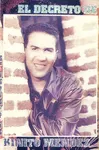
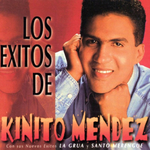
1997 · Album · 10 tracks
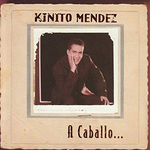
1998 · Album · 11 tracks
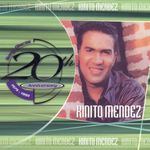
1999 · Album · 15 tracks
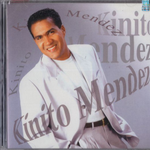
1999 · Album · 13 tracks
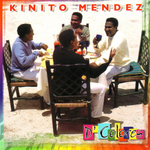
2000 · Album · 12 tracks
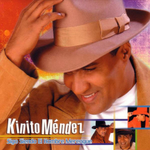
2002 · Album · 11 tracks
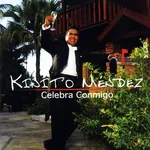
2004 · Album · 11 tracks
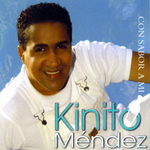
2006 · Album · 11 tracks
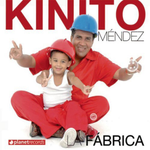
2008 · Album · 11 tracks
2015 · Album · 20 tracks

2016 · Album · 13 tracks
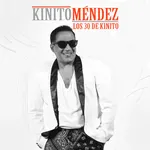
2018 · Album · 30 tracks
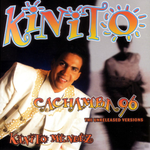
1996 · Single · 8 tracks
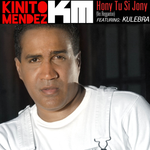
2010 · Single · 1 track
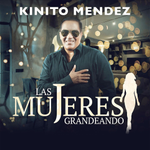
2016 · Single · 1 track

2017 · Single · 1 track
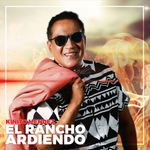
2017 · Single · 1 track
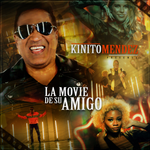
2018 · Single · 1 track
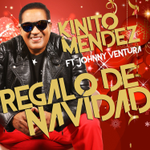
2015 · EP · 6 tracks