Biography
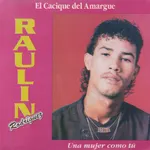
Raulín Rodríguez, born Raulín Marte Rodríguez on June 16, 1970, is a Dominican bachata singer, guitarist and composer known throughout the Spanish-speaking Caribbean as "El Cacique." He is the third member of what Dominicans call the trinity of bachata, and the one who pushed the genre furthest toward outright romanticism — «Medicina de amor», «Nereyda» and «Una mujer como tú» are standards of the form rather than merely hits of their moment.
Santa María and the guitar
Rodríguez was born in Santa María, a rural settlement in Las Matas de Santa Cruz, Monte Cristi — the same municipality in the northwestern border country that produced Antony Santos, a coincidence that says a good deal about where modern bachata actually came from. He was the youngest of his siblings and there was no money for lessons.
His first guitar arrived through his sister Casilda, who talked their mother out of buying him a bicycle and into buying an instrument instead; their mother sold two goats to pay for it. He taught himself to play by ear, sang in the school choir at fourteen, and took his early direction from the Mexican balladeer Juan Gabriel as much as from anyone in bachata.
Playing behind Antony Santos
He entered the business the way that generation did — from the back of someone else’s band. Rodríguez joined the group of Antony Santos as backing guitarist and vocalist, playing alongside his sister Casilda, in the same years Luis Vargas was part of that circuit. The apprenticeship gave him the guitar technique that later distinguished his own records, where the lead line is a melodic voice in its own right rather than accompaniment.
Going solo
Rodríguez went out under his own name in 1993 with Una mujer como tú, and the album made him a leading figure of 1990s bachata immediately. The records came annually for the rest of the decade: Regresa amor and Medicina de amor in 1994, El amor de mi vida in 1995, Rompió las cadenas in 1996, Soledad in 1997, Corazón, corazón in 1998 and Sin fortuna in 1999.
«Medicina de amor» became the song he is most identified with, reaching the top of the charts in Mexico, in Miami and New York, and at home. Alongside it stand «Nereyda», «Que vuelva», «Ay ombé», «Soledad» and, from much later, «Esta noche», which went to number one in the Dominican Republic, and «Pide lo que quieras», which spent thirty-eight weeks on Monitor Latino’s Latin songs chart and peaked at number two.
El Cacique and the trinity
Rodríguez, Antony Santos and Luis Vargas came out of the same corner of the northwest within a few years of one another and are spoken of together as the trinity of Dominican bachata — the three artists who took the genre from the countryside to the center of national life. Where Santos brought vulnerability and Vargas brought edge, Rodríguez brought sweetness: a clean, unforced high register and a guitar tone to match, which is roughly what the nickname "El Cacique" — the chief — acknowledges.
Recognition
He has recorded some sixteen studio albums between 1993 and 2011, plus a live album in 2002, and his Premios Soberano record includes:
Bachatero del Año in 2006, 2014 and 2016,
Bachata del Año in 2014 and 2016,
and repeated nominations across both categories over three decades.
He remains a heavy touring act — New York, Miami, Houston and Europe — and something of a legend for stamina at home, where a party in Monción around his fifty-fifth birthday reportedly kept him singing until seven in the morning.
Legacy
If Antony Santos is where modern bachata starts, Rodríguez is where it becomes tender. He took the romantic turn the genre had just made and pushed it past any residual roughness, producing a body of love songs so widely absorbed that several of them now function as folk material — sung at Dominican gatherings by people with no particular interest in who wrote them.
That is the surest measure of what he built: a catalog that stopped belonging to him and started belonging to the country. Three decades on he is still working, still filling rooms across the diaspora, and still, by common consent, El Cacique.
Discography
Corazón, corazón
1994 · Album · 10 tracks
Medicina de amor
1994 · Album · 10 tracks
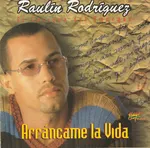
Arráncame la vida
1995 · Album · 10 tracks
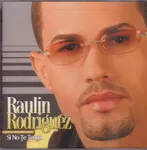
Si no te tengo
1995 · Album · 13 tracks
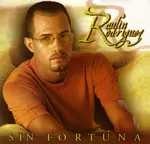
Sin fortuna
1995 · Album · 10 tracks
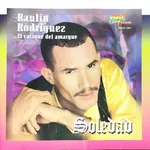
Soledad
1995 · Album · 10 tracks
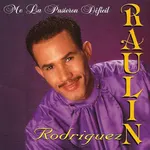
Me la pusieron dificil
1997 · Album · 10 tracks
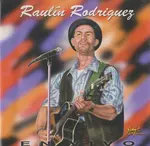
En vivo
1999 · Album · 14 tracks
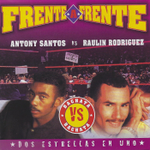
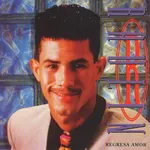
Regresa amor
2000 · Album · 10 tracks
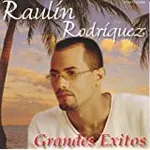
Grandes éxitos de Raulín Rodríguez
2001 · Album · 10 tracks
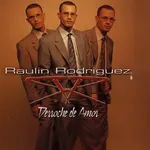
Derroche de amor
2002 · Album · 11 tracks
Bachatas clásicas y nuevas
2003 · Album · 15 tracks
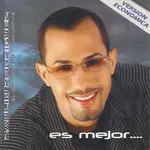
Es mejor
2005 · Album · 14 tracks
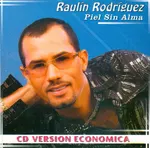
Piel sin alma
2005 · Album · 10 tracks
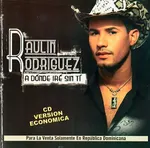
A donde iré sin ti
2007 · Album · 11 tracks
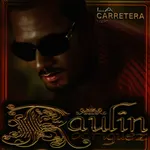
La Carretera
2007 · Album · 12 tracks
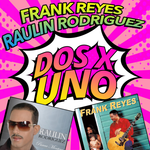
Dos x uno
2017 · Album · 20 tracks
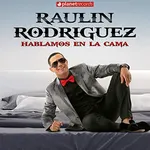
Hablamos en la cama
2018 · Album · 11 tracks
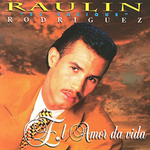
El Amor Da Vida
2019 · Album · 12 tracks