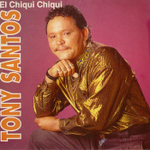
El chiqui chiqui
1992 · Album · 10 tracks
Tony Santos is a Dominican bachata singer from San Cristóbal, known as el Rey del Amargue. His record Amarilis Échame Agua is one of the songs that fixed what amargue sounded like.
Amarilis
The LP came out on José Luis Records, catalogue number LP-032, and its full title is El rey del amargue — the nickname was on the sleeve before it was in anyone’s mouth. Amarilis Échame Agua is the track that carried it, and the record went back to the same well twice: El regreso de Amarilis sits on the same side.
Amargue is bachata with the sweetness taken out. The guitar figures are the same ones Edilio Paredes and his generation were playing, but the singing is closer to complaint than to serenade, and the subject is usually a man who has lost and knows it. Santos sang it without any distance from it, which is the only way it works.
The company he kept
He belongs to the guitar-bachata line that runs through Ramón Cordero, Marino Pérez and Eladio Romero Santos — singers who worked the cantinas and the cabarets in the years when radio would not touch the music and the middle class called it something worse than rural. He later cut a Homenaje a Ramón Cordero, which places him squarely in that company by his own choosing.
A long catalogue
El Chiqui Chiqui came out on José Luis Records and is the album most people know: Ven Morena, Cepillo y Cepillo, Buscando Mi Mujer, No Hay Más Madera, María. The titles are doble sentido and the audience always understood exactly what they meant.
Libertad Para Beber followed, then compilations, then El Rey del Amargue under the name the LP had given him, and he is still releasing records — Leyenda Soy is recent. Cantando Por No Llorar contains the line he is quoted by at home: pueblo, pueblo de San Cristóbal, Tony Santos te quiere.
One name, two singers
He is not Antony Santos. The two are separate artists of different generations, and Dominican outlets have had to say so on camera more than once.
1992 · Album · 10 tracks