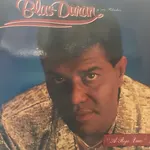
A rojo vivo
1991 · Album · 10 tracks
Blas Durán was a Dominican bachata and merengue singer. He is the reason bachata sounds the way it does: he brought the electric guitar into the genre in the middle of the eighties, and within a few years the acoustic requinto had effectively disappeared from commercial bachata records.
Las Colmenas
He was born in 1941 in Las Colmenas, a section of the municipality of Nagua on the northeastern coast, and went to school there. He left for the capital at twelve and worked as an attendant at a fuel station and then as a labourer for the public works department while the interest in music kept growing.
Clavelito
In 1962 he visited Edilio Paredes, and through him saw the inside of a recording studio for the first time and began writing. His first single, Clavelito, came at the end of the sixties, and he went out selling the records town by town with the producer Bienvenido Rodríguez before the album reached Karen Records and a three-year contract.
A decade of label contracts followed — José Luis Records, Unidad Records, Mañón Records — and a first tour of the United States in 1978. He sang merengue in those years too, with the combo of Aníbal Bravo and with the Típica Dominicana.
The electric guitar
In 1985 he set out to change the genre. He added electric guitar, percussion, trombone, synthesiser and piano to a music that had been built on acoustic guitars, signed with Kubaney Records, and cut La Arepa, El Hueso, El Tornillo, El Salón de Belleza and Qué Le Pasa a Nico. The following year came El Motorcito and Consejo a las Mujeres, which is where the change is easiest to hear, and which is a bachata-merengue rather than a bachata.
The effect on the genre was total. From the start of the nineties no commercially significant bachatero was recording with an acoustic requinto any more, and the scholarship on the genre credits Luis Vargas, Antony Santos and Raulín Rodríguez with building the modern sound on top of what he had done. He formed the band Blas Durán y Los Peluches, with his son among its members, and toured Puerto Rico, the United States and later most of western Europe.
Double meaning
His records were criticised and censored at home for their sexual content, and he had very little presence on Dominican radio for a performer of his popularity. The work he was doing depended on double meaning rather than on plain vulgarity, and he was careful about the line: the songs run from the comic and the sly to the straightforwardly romantic.
That combination — banned from the radio and sung everywhere else — describes the position bachata itself occupied at the time, dismissed by the country’s cultural authorities and played constantly by everyone else.
Noticiario Desinformativo
In 1990 he moved into television as the producer and owner of his own comedy programme, Noticiario Desinformativo, broadcast on what was then Canal 6. It became the opening for a generation of Dominican comedians, among them Raymond Pozo, Miguel Céspedes, Frank Suero and Rafy Pérez.
He kept recording through the nineties for Discomundo Records, with Qué Se Cree Juanita, Dominicano Soy, Llegó Tu Motorista and El Chinero among the titles. He died in Santo Domingo Este on 28 March 2023, at eighty-two.
1991 · Album · 10 tracks
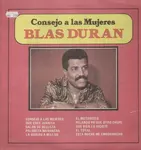
2000 · Album · 15 tracks