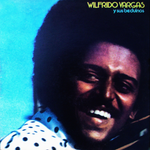
Wilfrido Vargas y sus Beduinos
1974 · album · 12 tracks
Wilfrido Radhamés Vargas Martínez (born 24 April 1949) is a Dominican trumpeter, bandleader, composer, arranger and producer, and one of the principal architects of modern merengue. Where earlier bandleaders modernised the genre at home, Vargas built the orchestra that carried it abroad: he absorbed Haitian kompa and other Afro-Antillean currents into its rhythmic language, staged merengue as choreographed spectacle, and founded a run of ensembles and launched a run of singers that together defined the genre's commercial peak in the 1980s. The Latin Recording Academy gave him its Musical Excellence Award in 2018.
Early years and formation
Vargas was born in Altamira, a rural municipality in the province of Puerto Plata. Music at home came from both parents: his mother, Bienvenida Martínez, played guitar and flute, and his father, Ramón Vargas, was an accordionist and guitarist. At ten he entered the municipal academy of music in Altamira, where he studied solfège and theory. He started on guitar but moved quickly to the trumpet, and by eleven was the municipal band's principal trumpeter, an unusual chair for a boy of that age and an early measure of his technique.
As an adolescent he worked as a postal carrier alongside his playing, the two jobs together a fair measure of what a rural musician could earn in the Dominican Republic at mid-century. When administrative changes cost him both, he left for Santo Domingo.
Professional beginnings in Santo Domingo
In the capital he entered the working circuit of bars, theatres and merengue ensembles: Bar Herminia, where he made his professional debut on trumpet, the Teatro Stella, and then the orchestras of Paniagua Rodríguez and Rafael Mancebo. These were traditional groups playing the format that prevailed before the modernisation Vargas would help drive, and they earned him a reputation as a trumpeter equally capable in section work and as a soloist.
Wilfrido Vargas y sus Beduinos
In 1972 he founded Wilfrido Vargas y sus Beduinos and recorded his first album with them. The group turned him from instrumentalist into bandleader and became the laboratory for everything that followed: enlarged brass, choreographed staging, and rhythmic structures borrowed from across the Caribbean. It was also a training ground — Víctor Víctor was among the singers who passed through it in the early years.
Haitian kompa and the remaking of merengue
The decisive turn in Vargas's writing came through Haitian kompa, and particularly through Tabou Combo and DP Express. Their rhythmic and harmonic thinking reshaped his approach to merengue and pushed him to fold Afro-Antillean material into Dominican dance music systematically rather than as ornament. The orchestral sound that resulted was built on syncopated rhythmic layering, polyphonic vocal arrangements, hybrid horn writing, kompa-derived harmonic movement, and a theatrical, choreographed stage presentation.
The work ran parallel to the earlier modernisation of merengue by Johnny Ventura, but it was not the same project. Ventura brought showmanship and a widened instrumentation to a national audience; Vargas brought cross-currents from outside the country, and a sound engineered to travel.
International expansion
From the late 1970s Vargas was among the most visible Dominican artists working abroad. His appearances included Madison Square Garden in 1976, the Havana Jam festival in Cuba in 1979, and Altos de Chavón, where his was the first Dominican orchestra to fill the amphitheatre, alongside touring through Europe, Mexico, South America and the United States. The records of this period paired intricate arrangements with humour and narrative dramatisation, and they did much to make merengue a dominant dance music across Latin America.
Major recordings
El Barbarazo — 1978, his first international hit
Abusadora — 1981
El Africano — 1984
El Jardinero — 1984
La Medicina — 1985
El Baile del Perrito — 1989, from the album Itinerario
Comején, A Mover la Colita, El Loco y la Luna and Volveré, all of which remain in the merengue canon
Ensembles he created and directed
Beyond his own orchestra, Vargas founded and directed groups that widened what merengue could be:
Las Chicas del Can — among the first women's merengue groups to succeed internationally
The New York Band — merengue crossed with pop, rock and urban material
Altamira Banda Show — built around theatrical staging and choreography
The singers he trained
Vargas's orchestras were the way into the profession for a generation of Dominican vocalists. Rubby Pérez sang with the Beduinos from 1982 to 1987, and his recording of Volveré — a song that had first been intended for another singer in the group, Jorge Gómez — became one of the orchestra's largest successes and established him as a soloist. Eddie Herrera, Juancho Viloria and Víctor Víctor also came up through the ensembles. What shaped them was Vargas's rehearsal discipline, his insistence on vocal precision and his ear, and the standard he set became a working model for professional merengue orchestras.
Recognition
Order of Christopher Columbus, Knight grade — conferred in 1993 by President Joaquín Balaguer
Grammy nomination, Best Tropical Latin Performance — 1991, for Animation
Musical Excellence Award, Latin Recording Academy — 2018, presented to him by Johnny Ventura
Gold and platinum certifications across five decades of releases
Legacy
Vargas is one of the figures the modern history of merengue cannot be written without. He rebuilt the orchestra, opened the genre to Afro-Antillean influence, created the ensembles that carried it into new markets, and trained many of the voices that sang it. The transformation of merengue from a national music into a transnational one was not his work alone, but it is not describable without him, and his catalogue remains a standing reference in Caribbean music.
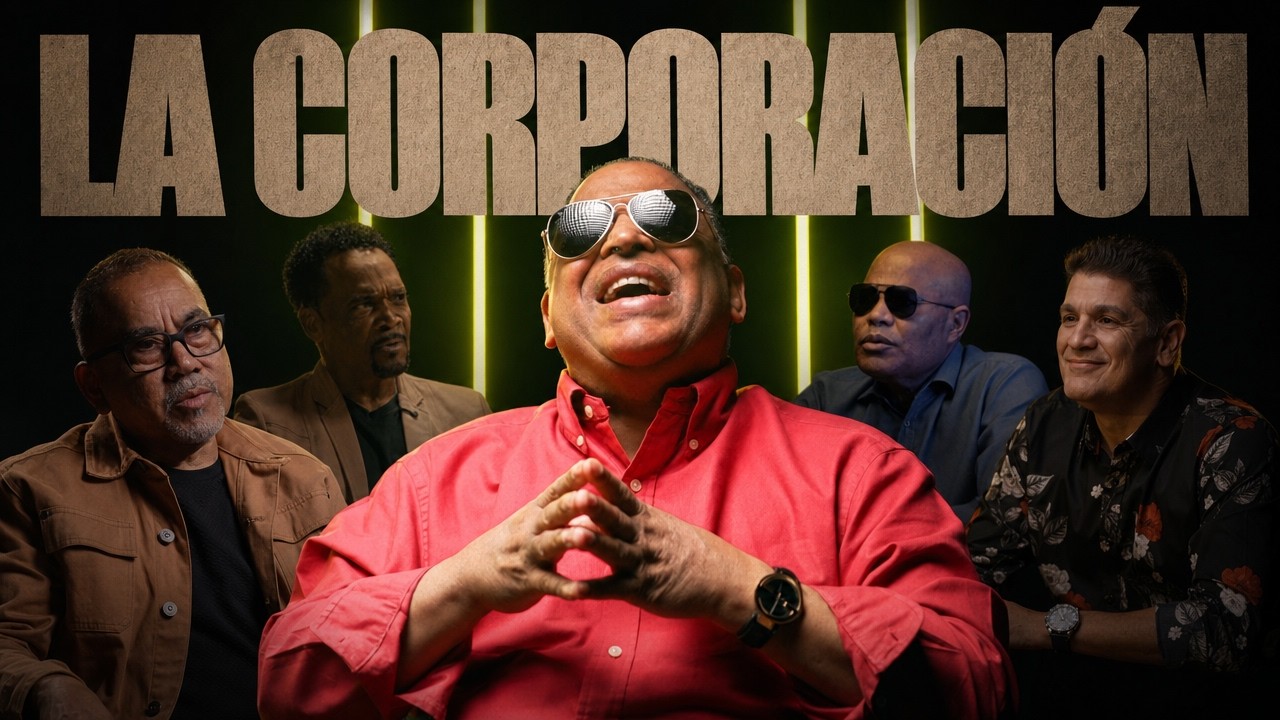
Interviews, conversations, and archival media connected to this artist.


March 14, 2022

March 13, 2022

July 20, 2026


October 15, 2021

October 16, 2021

October 17, 2021
1974 · album · 12 tracks
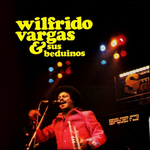
1976 · album · 10 tracks
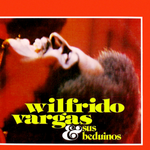
1976 · album · 10 tracks
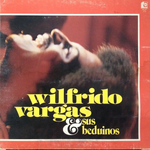
1976 · album · 10 tracks
1980 · Album · 12 tracks
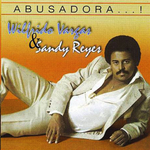
1982 · Album · 8 tracks
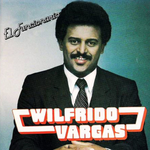
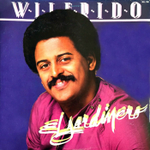
1984 · Album · 9 tracks
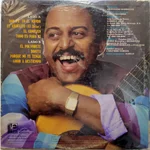
1984 · album · 8 tracks
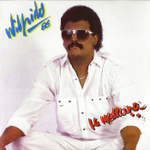
1985 · Album · 10 tracks
1986 · Album · 8 tracks
1987 · Album · 10 tracks
1988 · Album · 10 tracks
1990 · Album · 15 tracks
1991 · Album · 10 tracks
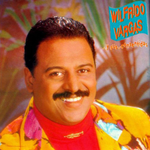
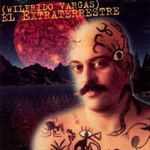
1995 · Album · 10 tracks
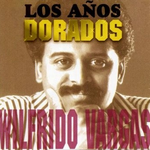
1995 · Album · 12 tracks
1996 · Album · 11 tracks
1998 · Album · 8 tracks
1998 · Album · 12 tracks
1999 · Album · 14 tracks
2002 · Album · 14 tracks

2017 · Album · 13 tracks
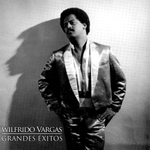
2022 · Album · 30 tracks

2012 · Single · 1 track

2015 · Single · 1 track

2019 · Single · 1 track
2021 · Single · 1 track
2021 · Single · 1 track

2023 · Single · 1 track

2024 · Single · 1 track

2024 · Single · 1 track