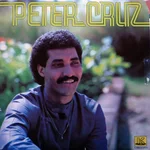
Peter Cruz
1983 · album · 8 tracks
Peter Cruz, born Pedro Antonio de la Cruz in Yamasá, is a Dominican merengue singer. He was inside three of the most important bands of the nineteen-eighties and he is one of the founders of a fourth, and for most of that time his name was the smallest thing on the sleeve.
Coming up through the bands
Yamasá is a town in Monte Plata, inland and unglamorous, and he left it for the orchestras. He sang with Cheché Abreu and with Aníbal Bravo before the job that made him, which was with Wilfrido Vargas.
Ron Pa To El Mundo, from 1984, is billed to Peter Cruz with Wilfrido Vargas’s orchestra. Being the voice on a Wilfrido record in that decade meant being heard across the whole Caribbean, and it also meant being interchangeable: the band was the name, the singer was staff.
He has said publicly that Wilfrido Vargas never mentions him in interviews. Whether that is an oversight or something else, the omission is real enough that he has been asked about it on camera, and it is a fair description of what happens to a singer who was hired rather than billed.
Founding the Internacional
He tells it that he founded the Orquesta Internacional together with Ramón Orlando and Carlos Herrera. The band went on to be one of the defining merengue orchestras of its era and it carries Ramón Orlando’s name to this day.
He left it at the top, and his account of why is a promise that was not kept. He does not say more than that in public, and the detail stays where he left it.
Cometa Blanca
Cometa Blanca is the record he is attached to, and his account of where it came from is the best thing in his story: he found it on a cassette by Chiquetete, a Spanish flamenco and copla singer, and brought it to the band.
A merengue orchestra taking a song off an Andalusian record is not an odd thing in itself — Dominican bands have always eaten whatever was in the room — but it takes somebody actually listening to hear a merengue inside a copla. He also says the mambo, the horn break that lifts the song, was a change he made to the arrangement himself.
That is an arranging credit claimed forty years later by the man who sang it. The singer usually gets the applause and never the credit, and a singer who finally asks for the credit is doing something the trade rarely allows.
On his own
After the Internacional he put out Peter Cruz y su Banda in 1986 and went on working. Fénix Ortiz sang on his records. He has since turned up on a Wilfrido Vargas record alongside Rubby Pérez and Junior Castillo — three voices from three different bands of the same decade, on one track.
He still gives interviews, at length, and the interest in them is not nostalgia. He is one of the few people left who can say what actually happened inside those orchestras, and he is willing to say it.
Interviews, conversations, and archival media connected to this artist.




December 18, 2023


November 11, 2022


December 26, 2021

December 27, 2021
1983 · album · 8 tracks
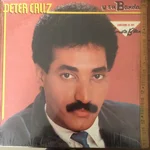
1986 · album · 8 tracks
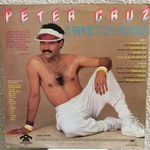
1987 · album · 8 tracks
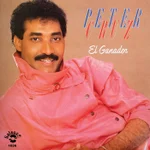
1988 · album · 8 tracks
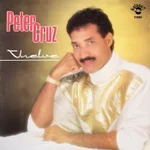
1989 · album · 8 tracks
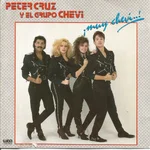
1990 · album · 8 tracks
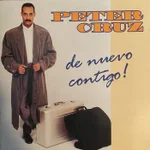
1995 · album · 7 tracks