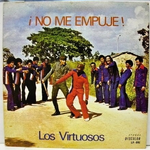
¡No me empuje!
1975 · Album · 10 tracks
Pupo Valoy Reynoso, known as Cuco Valoy and called El Brujo, is a Dominican singer, composer and bandleader. He has been working since 1955, first singing Cuban son in a duo with his brother and then at the head of an orchestra that could play anything, and he is among the musicians usually credited with modernising Dominican tropical music.
Manoguayabo
He was born in 1937 in Manoguayabo, on the edge of Santo Domingo, and studied music theory at the National Conservatory. He plays guitar, piano and bass, and he is a percussionist as well, working the tambora that sits at the centre of merengue. That range is what later let his orchestra move between genres without changing personnel.
Los Ahijados
He started out singing serenades and the hits of the day in a duo with his younger brother Martín Valoy. In the middle of the sixties he changed the repertoire to sones montunos and the duo took the name Los Ahijados, in deliberate answer to Cuba’s Los Compadres. Cuco sang lead and played second guitar; Martín took the solo voice. They worked that Afro-Cuban material until the end of the decade.
Los Virtuosos
In the seventies he built an orchestra of thirteen players and called it Los Virtuosos, taking the name from the title of a piano book he was using to teach his son Ramón Orlando. The son joined the band, and what followed came out of the combination: the father’s voice and knowledge of the older forms against the son’s modern arranging.
The group played merengue, bachata, salsa, cumbia, son montuno, bolero, guaracha and cha-cha-chá, and it travelled — Colombia took to it especially. In 1984 father and son produced a record together for Alberto Beltrán.
La Tribu
The orchestra got its lasting name on tour in Panama, where a member of the audience joked that the band looked like a tribe because of the colour of its players. Valoy liked the idea, started using it, and before long the orchestra was officially La Tribu.
El Brujo
The songs that carried him are El Brujo, Juliana, Nació Varón, Pasito Colombiano, Los Frutos del Carnaval and No Me Empuje, and the discography behind them runs to dozens of records from Páginas Gloriosas de Mi Patria in 1965 onward. He has shared stages with Machito, Celia Cruz, Oscar D’León, Johnny Ventura and Johnny Pacheco.
The honours
Colombia has given him the Congo de Oro at the Barranquilla carnival several times, in the salsa category and, decades later, as king of the people. In 2017 Acroarte gave him the Gran Soberano, its highest award, putting him alongside Johnny Ventura, Juan Luis Guerra 4.40, Wilfrido Vargas and Johnny Pacheco; the Latin Recording Academy gave him its Musical Excellence Award the same year.
1975 · Album · 10 tracks
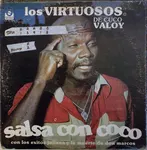
1978 · Album · 8 tracks
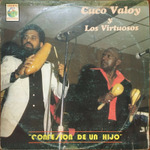
1983 · Album · 10 tracks
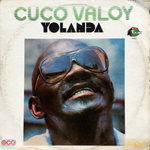
1983 · Album · 10 tracks
1991 · Album · 14 tracks
1995 · Album · 15 tracks
1995 · Album · 17 tracks
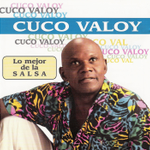
1997 · Album · 15 tracks
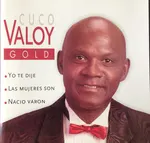
1998 · Album · 17 tracks
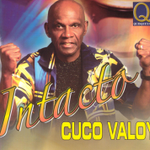
2004 · Album · 14 tracks
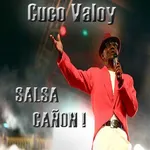
2010 · Album · 14 tracks
1983 · Single · 2 tracks