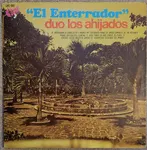
El enterrador
1965 · Album · 12 tracks
Los Ahijados — The Godchildren — is the Dominican duo of brothers Cuco Valoy and Martín Valoy, formed in 1958, whose son montuno records of the 1960s and 1970s made them one of the country’s best-known acts outside merengue.
Serenades to son montuno
The brothers began singing serenades and the hits of the day. In the mid-1960s Cuco Valoy turned the repertoire toward Cuban-style sones montunos, in deliberate answer to Cuba’s «Los Compadres», and the duo took the name Los Ahijados. Cuco Valoy sang lead and played second guitar; Martín Valoy, credited as the duo’s soloist, played guitar and tres and took the harmony lines. Their repertoire included «Qué será de mí», written by Bienvenido Fabián.
On «Kubaney»
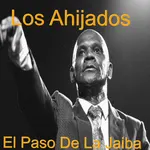
Recording mostly for the Kubaney label, they built a catalogue through the sixties and seventies: «El enterrador» (1965), «Vuelven... Los Ahijados», «Virgen de la Cueva» (1973), «Ay, mi cien pesos!» and «Sigue afincando» (1974), «La resaca» (1975), «De nuevo Los Ahijados» (1976) and «Baílalo y gózalo...!! Vol. 4» (1978). Songs such as «Timoteo», «El lunar», «El hombre misterioso», «El paso de la jaiba», «Vaivén» and «Corazón de acero», the last written by Cuco Valoy, kept returning in later compilations.
The «Los Virtuosos» years
In 1975 Cuco Valoy set the duo aside to found «Los Virtuosos», later «La Tribu», the orchestra where his son Ramón Orlando came up as arranger and Martín Valoy played bass. Martín used the pause to release his only solo album, «Hagan coro señores, llegó el Ahijado» (1981), before the brothers returned as Los Ahijados: «Vuelven Los Ahijados» (1983), the compilations «Los mejores discos» (1985) and «20 éxitos de Los Ahijados» (1988), and, in 1994 and 1995, «Nostalgia Caribeña», «Cachao vs. Los Ahijados» and «Tus ojos indios/Mariposa nocturna».
«De nuevo al son»
The brothers came together once more for «De nuevo al son» (1997), a studio album on which both Cuco Valoy and Martín Valoy are credited as lead vocalists.
Legacy
Los Ahijados carried the Cuban son montuno into Dominican popular music at a time when merengue dominated the radio, and their records stayed in circulation through four decades of Dominican family listening, from the original Kubaney pressings to the reissue compilations of the 1980s and 1990s.
1965 · Album · 12 tracks
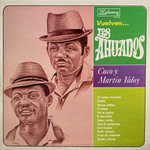
1967 · Album · 12 tracks
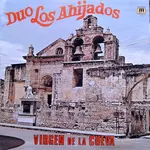
1973 · Album · 10 tracks
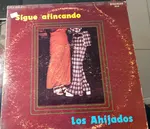
1974 · Album · 10 tracks
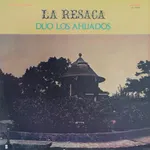
1975 · Album · 10 tracks
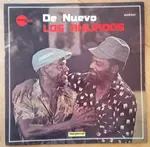
1978 · Album · 10 tracks
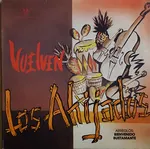
1983 · Album · 9 tracks
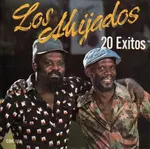
1988 · Album · 20 tracks
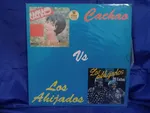
1994 · Album · 14 tracks
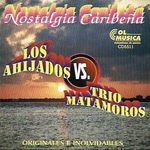
1994 · Album · 21 tracks
1974 · Single · 2 tracks
1995 · Single · 2 tracks