
Biography
Frantoni Santana, the professional name of Francisco Ramón Santana Cruz, is a Dominican composer and copyright advocate. He was born in El Estrecho Omar Bross, in the municipality of Luperón, Puerto Plata province, and spent part of his adolescence in Vuelta Larga, Imbert. His songs have been recorded by merengue orchestras; the World Intellectual Property Organization credits him with more than 250 recorded works. He also served as president of the Dominican authors’ society SGACEDOM for nine years between 1999 and 2010.
Early career and breakthrough in merengue
In Vuelta Larga, Imbert, Santana learned his first guitar chords and sang with a small local group. He began working for the Natalio Redondo dairy company in Sabaneta de Yásica in 1977 and later worked in Luperón. He did not finish secondary school and continued his education through reading. He moved to Santo Domingo in 1981, worked as a messenger at «El Nuevo Diario» and, as he later recalled, published one of his first articles there. His breakthrough as a merengue songwriter came in 1984 with «Y te vi», recorded by Koki Acosta. Santana later explained that he conceived the song as a veiled criticism of the ITBI transfer tax, introduced the previous year, using the language of a love song.
Following that initial triumph, he established productive creative partnerships with leading orchestras, supplying bandleaders with witty, romantic, and rhythmic verses that captured the popular imagination and everyday vernacular of Dominican society.
Landmark compositions and collaborations
Santana's versatility enabled him to navigate seamlessly between sophisticated big-band arrangements, humorous street merengue, and emotive romantic ballads. For the orchestra of Wilfrido Vargas, he penned «Trece años», a melodic ballad-merengue made famous by vocalist Mickey Taveras, as well as the uptempo «Qué bueno estoy». For Los Hermanos Rosario, he contributed cornerstone hits that defined their high-energy sound, including «Rubia de fuego», «Equivocada», and the international dance staple «Bomba» (co-written with Rento Arias). He also provided signature material for Las Chicas del Can, composing tracks such as «Me duele», «La coronela», and «Explosivo».
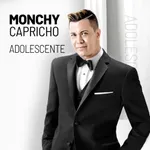
His creative reach extended across generation-defining acts, providing youth-pop merengue hits for Monchy Capricho («Tocar tu cuerpo», «La chica del bus»), early career singles for Eddy Herrera («La vieron», «Es ella», «La doctora»), orchestral works for Félix del Rosario («Un hombre bueno», «Caramba mi compay»), dance staples for Aníbal Bravo («La taberna», «Leloley»), and popular festival anthems for Pochy y su Cocoband, including «La faldita» and «El batecito», sung by Bobby Rafael. Among his most enduring melodic contributions is «Gotas de pena», recorded by Ramón Orlando y la Orquesta Internacional featuring lead vocalist Fénix Ortiz, an enduring standard that has generated over a dozen versions across merengue, bachata, and Latin pop throughout the hemisphere.
Notable compositions in his catalog include:
«Bomba»
«Trece años»
«Gotas de pena»
«La faldita»
«Rubia de fuego»
«Equivocada»
«Y te vi»
«Me duele»
«Tocar tu cuerpo»
«La chica del bus»
«La vieron»
«El batecito»
During the 1990s, Santana formed and recorded with «Mozaribe», a group that brought strings into merengue. He wrote most of its repertoire, according to «J&N Publishing», which announced its acquisition of more than 140 of his compositions in 2022.
Copyright advocacy and industry leadership
Parallel to his creative career, Santana took on a leading role in the institutionalization and defense of intellectual property rights in the Dominican Republic. Recognized publicly by his signature black brimmed hat and staunch advocacy for creator compensation, he spearheaded efforts to achieve fair economic remuneration for Dominican songwriters. He served for nine years as president of the Sociedad General de Autores, Compositores y Editores Dominicanos de Música (SGACEDOM) between 1999 and 2010, modernizing royalty collection mechanisms and securing compliance agreements with commercial broadcasters and public venues. Between 2005 and 2006, he also served as Anti-Piracy Commissioner for the Oficina Nacional de Derecho de Autor (ONDA), establishing himself as a foremost institutional authority on copyright governance in the Dominican music industry.
Legacy
Santana's career combines merengue songwriting for other orchestras, his own «Mozaribe» project and collective advocacy for authors' rights. Recordings across several decades have kept his songs in Dominican and Caribbean repertoire.
Interviews & Documentaries
Interviews, conversations, and archival media connected to this artist.
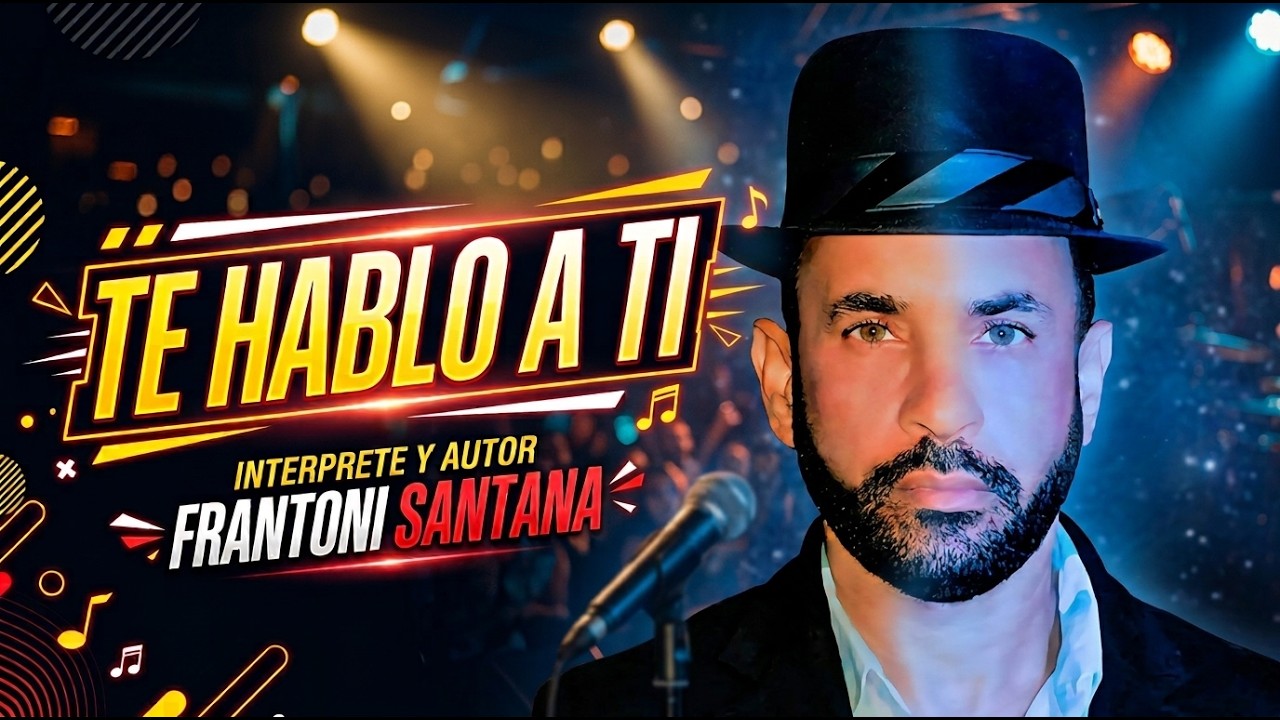
TE HABLO A TI

Frantoni Santana
October 11, 2026

El merengue con violines

TrayectoriaRD
September 18, 2026

Hubo un plan para frenar a Mozaribe

10 PREGUNTAS CON JUNIOR CABRERA
June 28, 2026

La canción que cantabas por desamor era una protesta al gobierno

JUNIOR CABRERA
June 22, 2026
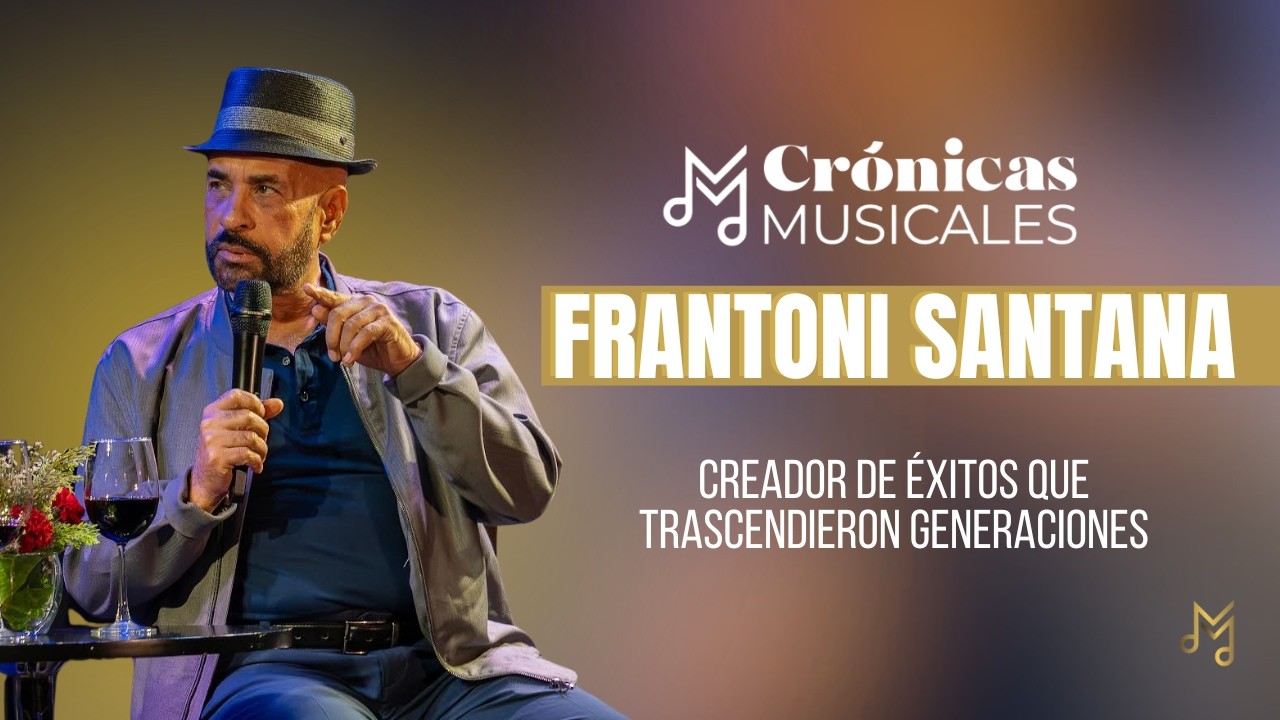
Sus grandes éxitos en la música

La CronicaRD
May 20, 2026

La Entrevista

Eduardo Martinez TV
April 30, 2023

Discurso presidente Salón Fama Deporte Puerto Plata

Salón de la Fama del Deporte Puerto Plata
May 24, 2022

Entrevista al Ex Presidente de SGACEDOM

SGACEDOM
March 11, 2022

Creador de éxitos - Parte 2

Silvio Mora
March 07, 2022
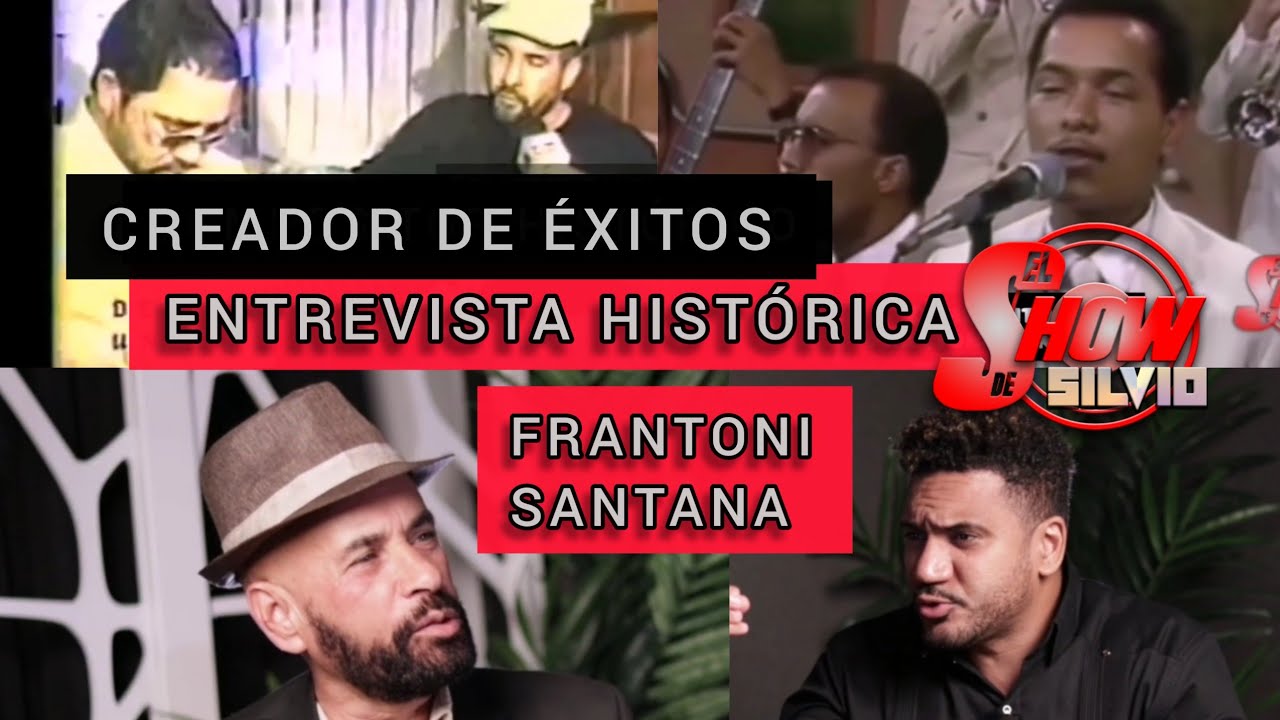
Creador de éxitos - Parte 1
Silvio Mora
March 03, 2022

Mundito Espinal Entrevista a Charlie Mosquea y Frantoni Santana

De Todo Un Poco Con Milagros Garcia
July 18, 2016